
Why Estate Planning Matters for Women
Women have always been the planners behind the scenes.
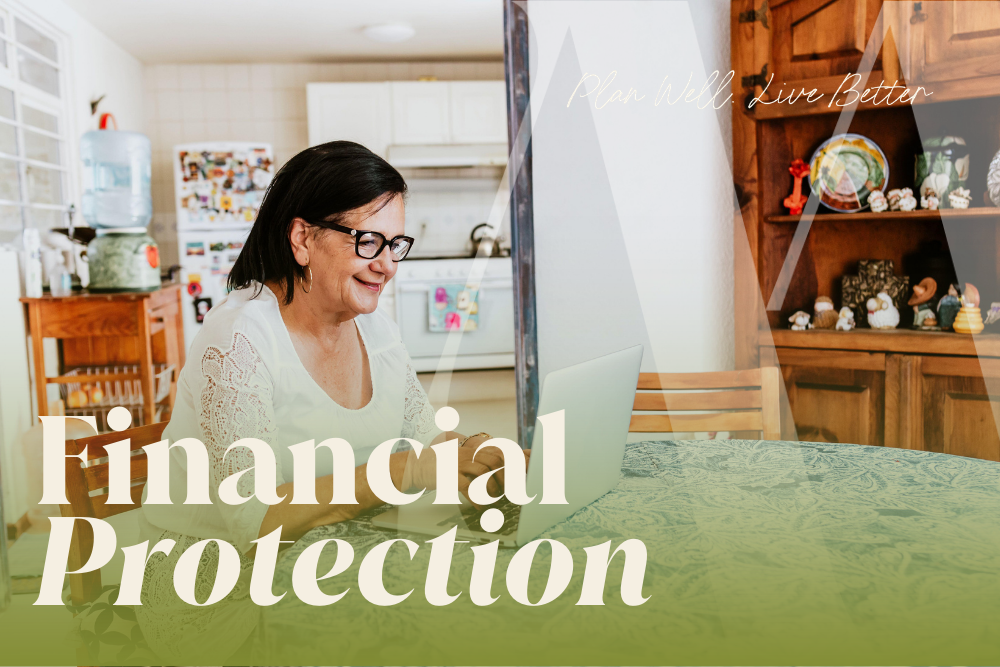
We coordinate households, manage calendars, track medications, organize school schedules, remember birthdays, and keep the moving pieces of family life working together. In many families, women are the ones quietly ensuring that everything runs smoothly.
But there is a paradox in that role.
The person who keeps everyone else’s life organized is often the last one to put formal protections in place for herself.
That gap matters more than most people realize.
Women live longer than men on average, which means they are more likely to spend years managing finances, healthcare decisions, and housing on their own. At the same time, women are more likely to have spent portions of their lives outside the workforce caring for children, parents, or spouses. Those years of caregiving can translate into smaller retirement savings and lower lifetime earnings.
The result is that many women enter later life with both greater longevity risk and fewer financial buffers.
Takeaways:
- Women live longer on average and are more likely to manage finances alone later in life.
- Caregiving responsibilities often reduce lifetime earnings and retirement savings.
- Widowhood can create sudden financial and legal responsibilities.
- Older women are at higher risk of financial exploitation and abuse.
- Estate planning helps protect independence and decision-making authority.
Longevity Changes the Planning Conversation
Women in the United States live longer than men on average. That means more women spend years navigating financial decisions, healthcare choices, and housing arrangements independently.
Longevity can be a gift, but it also introduces practical challenges. Retirement savings must stretch further, healthcare needs may become more complex, and the support structures that existed earlier in life may change.
Without clear planning, those decisions can become overwhelming during an already vulnerable stage of life.
Widowhood and the Shift in Financial Responsibility
For many women, the transition to widowhood brings an abrupt shift in responsibility. Income often falls dramatically while financial decisions suddenly rest on one person’s shoulders. Studies show that household income can drop by as much as 37–50% after a spouse dies, even though housing and healthcare costs remain largely unchanged. At the same time, more than half of widowed women report struggling financially in the years following a spouse’s death, highlighting how quickly financial stability can change.
A surviving spouse may suddenly be responsible for managing accounts, investments, taxes, insurance policies, and property decisions that were previously handled jointly or primarily by a partner. Income may change quickly while housing, healthcare, and everyday expenses remain the same.
This shift often happens during a period of grief and adjustment, which makes clarity around financial and legal authority even more important.
The Overlooked Risk of Financial Exploitation
Older women are also disproportionately affected by financial exploitation.
Research on elder financial abuse consistently shows that individuals who live longer, manage assets independently, or experience social isolation can become targets for manipulation. This may come from strangers, caregivers, acquaintances, or even family members.
When legal documents are outdated or unclear, the risk of conflict and exploitation increases.
Clear powers of attorney, healthcare directives, and estate planning documents create a structure that helps prevent disputes and protects decision-making authority.
Estate Planning as a Form of Protection
Estate planning is often described as something people do for their heirs.
For many women, it is equally about protecting their own independence.
A thoughtful estate plan clarifies who can manage finances, who can speak with medical professionals, how property should be handled, and how personal wishes should be respected if circumstances change.
It creates stability during moments when uncertainty might otherwise take over.
Conclusion
Women often spend decades holding families together.
They coordinate care, maintain relationships, and ensure that the details of everyday life are handled with care and consistency.
Estate planning is one way to ensure that same level of care exists for them.
Because the women who spend their lives protecting others deserve protections of their own.
This information is general education and is not legal advice. You may need to speak with an attorney to understand how these issues apply to your specific situation.
More from our blog...
What Estate Planning Documents Do You Actually Need?

What Happens When an Aging Parent Can No Longer Manage Their Own Money?

What Happens to My IRA When I Die? And Can I Leave It to Whoever I Want?
How Medicaid Eligibility Works in New Jersey: What Families Need to Know
Recent blog posts
What Estate Planning Documents Do You Actually Need?
Table of Contents

FREE WEBINAR
5 Things to Know About
Estate Planning
When You Turn Sixty-Five