
Adult Adoption and Estate Planning: What It Changes and Why It Matters
Family structures do not always fit into legal definitions.
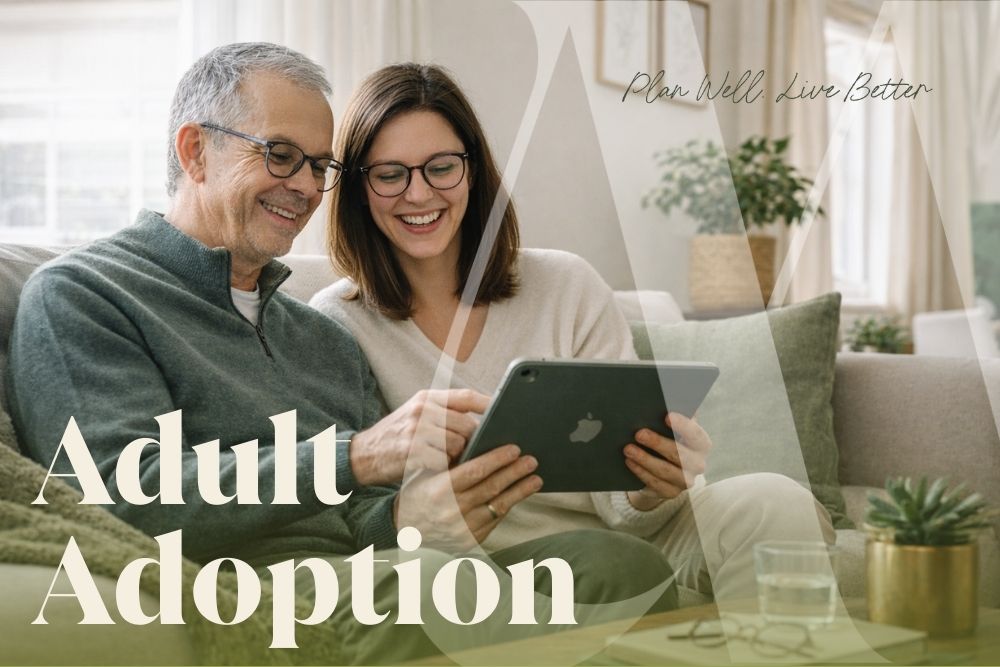
A stepparent may have raised a child for decades without ever formalizing the relationship. A long-term caregiver may function as family in every meaningful way. An adult child may want the legal certainty that matches an emotional bond that has existed for years.
Adult adoption is one legal tool that can formalize those relationships. In estate planning, it can also affect inheritance rights, decision-making authority, and long-term planning in significant ways.
Takeaways:
- Adult adoption creates a legally recognized parent-child relationship.
- It can affect inheritance rights under state law.
- Adoption may simplify estate distribution in certain families.
- It can also impact existing family dynamics and legal relationships.
- Adult adoption should be coordinated with an updated estate plan.
What Is Adult Adoption
Adult adoption is a court process that establishes a legal parent-child relationship between two adults.
Unlike minor adoption, it does not involve custody or child welfare considerations. Instead, it focuses on formalizing a relationship where both parties consent. Once finalized, the adoptee is treated as a legal child of the adoptive parent under state law.
This legal status can affect inheritance, intestacy rights, and certain family-based legal benefits.
Why Adult Adoption Is Used in Estate Planning
Adult adoption is often used to clarify inheritance rights.
If someone dies without a will, state intestacy laws determine who inherits. These laws typically prioritize spouses and biological or legally adopted children. Stepchildren or long-term family members who were never legally adopted may have no automatic inheritance rights.
By legally adopting an adult, the adoptive parent ensures that person is treated as a child under inheritance statutes, which can simplify estate distribution.
Blended Families and Adult Adoption
In blended families, adult adoption sometimes formalizes long-standing relationships between stepparents and stepchildren.
While a will or trust can leave assets to anyone, adult adoption changes how the law treats the relationship. It may provide emotional recognition in addition to legal clarity.
However, adult adoption can also alter inheritance expectations for biological children and extended family. Those effects should be considered carefully before proceeding.
Adult Adoption and Intestate Succession
If someone dies without an estate plan, adopted children generally inherit the same way biological children do.
This can be a benefit when the goal is inclusion. It can also create unintended consequences if adoption changes how assets are divided among heirs.
Understanding how state intestacy rules operate is essential before using adoption as a planning tool.

FREE WEBINAR
5 Things to Know About
Estate Planning
When You Turn Sixty-Five
Does Adult Adoption Replace a Will or Trust
No.
Adult adoption does not eliminate the need for a will or trust. It changes default inheritance rights under state law, but a comprehensive estate plan still controls asset distribution, guardianship designations, powers of attorney, and health care decisions.
In fact, adult adoption should trigger a full review of estate planning documents to ensure everything aligns with the new legal relationship.
Potential Complications
Adult adoption can affect more than inheritance.
In some states, it may sever certain legal ties with biological parents. It can also impact rights in other jurisdictions if assets or heirs cross state lines. In international families, recognition of adoption may vary.
Because adoption permanently alters legal relationships, it requires thoughtful consideration beyond emotional intent.
When Adult Adoption Makes Sense
Adult adoption may make sense when:
A long-term parental relationship was never legally formalized
A stepchild has functioned as a child for decades
Clear intestacy rights are desired without relying solely on documents
Emotional and legal alignment are both priorities
It may not be appropriate when family conflict is likely or when inheritance structures are already clearly defined through trusts.
Conclusion
Adult adoption is both a legal and emotional decision.
In estate planning, it can simplify inheritance, clarify relationships, and align legal status with lived experience. It can also reshape family dynamics and default inheritance rules in lasting ways.
Before pursuing adult adoption, it is important to understand not just how it works, but how it interacts with wills, trusts, beneficiary designations, and state law.
Planning thoughtfully ensures that the legal structure reflects both intention and long-term clarity.
This information is general education and is not legal advice. You may need to speak with an attorney to understand how adult adoption applies to your specific situation.
More from our blog...

2027 Social Security COLA: What the 3.6% Increase Means for Your Budget
What Estate Planning Documents Do You Actually Need?

What Happens When an Aging Parent Can No Longer Manage Their Own Money?

What Happens to My IRA When I Die? And Can I Leave It to Whoever I Want?
Recent blog posts
What Estate Planning Documents Do You Actually Need?
Table of Contents

FREE WEBINAR
5 Things to Know About
Estate Planning
When You Turn Sixty-Five