
The Rise of ‘Granny Cams’ in Long-Term Care Facilities
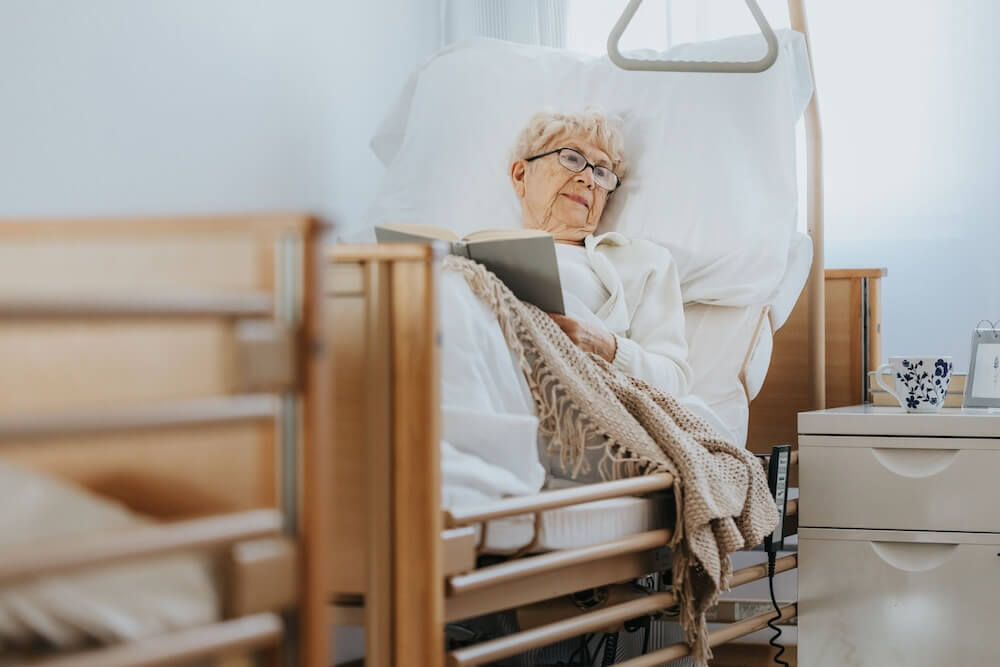
Florida is inching closer to passing legislation that would make it the latest state to allow “granny cams” in long-term care facilities. “Granny cams” — electronic recording devices that families install at a long-term care facility to monitor the care of an aging loved one — have become more commonplace as concerns rise about resident treatment.
Key Takeaways:
- “Granny cams,” or electronic recording devices used to monitor the care of loved ones in long-term care, have become more common.
- While granny cams can provide an added layer of protection against abuse, they raise legal and ethical issues surrounding resident safety and privacy.
Surveillance cameras can provide additional protection against abuse or neglect by staff and peace of mind, ensuring that a loved one’s care meets the highest standards. Recordings can also be used as evidence in disciplinary and legal proceedings when mistreatment is captured on camera.
However, the legal issues around granny cams are often thorny, raising questions about resident safety and privacy. If you’re considering using a camera to monitor a family member in long-term care, you should understand the state- and facility-specific policies that can affect this decision.
Is Elder Abuse on the Rise?
A Florida House panel has approved a bill allowing nursing home residents to install electronic recording devices in their rooms, under certain conditions, to address concerns of abuse.
The legislation follows a Tampa Bay Times exposé indicating an increase in allegations of serious violations against Florida nursing homes.
In 2022, nursing homes in the state were cited over 80 times for deficiencies such as neglect, abuse, and poor care that put residents at risk of serious harm, injury, or death, reports the Times, which attributes the increase in serious violations to factors including weakened nursing home care standards, staff shortages, and caregiver burnout. Since 2019, Florida nursing home violations have nearly doubled compared with the prior six years.
Florida, home to the country’s second-largest senior population, is a microcosm of our graying nation and the growing need for elder care. Instances of elder abuse are notoriously underreported, but there are indications it may be increasing nationwide.
In 2023, more than 59 million adults aged 65 and older lived in the United States, a number expected to continue rising. Someone turning 65 today has a nearly 70 percent chance of needing some type of long-term care in their remaining years.
As our population ages, the number of Americans living with Alzheimer’s is projected to nearly double to 13 million by 2050, possibly increasing the risk of abuse in this population “exponentially.” Studies show that nearly half of older adults with a cognitive impairment like dementia experience abuse or neglect.
Notably, prior to the pandemic, it was estimated that about one in 10 Americans age 60+ had experienced some form of abuse. A more recent study found that, during the pandemic, one in five older adults reported elder abuse. Another study found that only one in 24 cases of abuse are reported to authorities.

FREE WEBINAR
5 Things to Know About
Estate Planning
When You Turn Sixty-Five
Florida Law Exposes Battle Lines in Nursing Home Surveillance Debate
Visiting restrictions during the pandemic may have prompted more families to use surveillance cameras to monitor loved ones from afar. This could contribute to a cycle where more instances of elder abuse are captured on camera and reported, prompting more states to propose the use of nursing home surveillance cameras.
Nursing home administrators sometimes place cameras in public spaces such as lobbies to enhance security. But increasingly, long-term care residents and their families are installing surveillance cameras in their rooms, which some legal experts say are likely here to stay.
In 2020, nine states had laws allowing surveillance cameras in residents’ rooms; as of 2025, 19 states allow cameras in nursing homes.
The growing use of surveillance technology in general may make Americans more comfortable using granny cams. This normalization of surveillance in daily life can be seen in the use of home cameras primarily intended to deter crime, but also used to monitor family members — including children and spouses — especially among millennials.
Not everyone feels comfortable with granny cams, a tension exposed in the Florida granny cam bill debate — one that raises issues about achieving the right mix of safety, privacy, and accountability in long-term care settings.
Supporters contend that cameras act as a deterrent and provide evidence of mistreatment. Opponents express concerns about the potential for privacy violations and the creation of a surveillance culture.
Florida bill sponsor Rep. Susan Plasencia argues that using cameras in nursing homes is crucial to protect vulnerable residents who may not be able to report abuse. She discussed “horrific” cases of elder abuse captured on camera that otherwise may have gone unreported.
“Even if they could say what happened, people wouldn’t believe it, because maybe they have dementia or Alzheimer’s,” Plasencia told the House Health Care Facilities & Systems Subcommittee.
Although the congresswoman did not reference any specific elder abuse incidents, cameras have captured footage of cases like the abuse of a 98-year-old dementia patient in Oklahoma and a Georgia World War II veteran who died from respiratory distress after staff ignored his pleas for help.
Both incidents led to legal action by the victims’ families and legislative efforts that expanded the use of granny cams. In the latter case, the footage, obtained by the man’s son after his father reported “strange things” at the facility, was deemed admissible, even though it was obtained without explicit consent from all parties involved. This established an exception to privacy laws when the protection of vulnerable individuals is at stake.
The associate state director for AARP Florida agrees with Plasencia. She says nursing home and assisted living facility cameras help deter abuse and identify resident care improvement opportunities.
Florida’s bill faces opposition from the long-term care industry, however, which raises concerns about privacy, enforcement of roommate agreements, and whether facility staff could access footage.
A member of the Florida Health Care Association told the House panel that many personal activities take place in residents’ rooms, such as bathing, grooming, and meeting with therapists. She also expressed concerns that the resident’s family or guardian would be responsible for ensuring their roommate’s privacy is protected.
In addition, one committee member said she was worried about how visitors would know that video cameras were being used in residents’ rooms.
Another concern is how surveillance might impact quality of care in a workforce already suffering from high levels of stress, burnout, and shortages. A survey of certified nursing assistants found that cameras would “communicate distrust” and further contribute to poor retention.
Know the Laws in Your State
No overarching federal law specifically addresses granny cam use in long-term care, leaving their regulation primarily to individual states.
The patchwork of state laws creates a confusing situation for families. States like Illinois, Kansas, Louisiana, Minnesota, Missouri, New Mexico, Oklahoma, Texas, and Washington have laws permitting cameras with the consent of all parties involved. Some states might have guidelines rather than laws, and others, like New Jersey, offer equipment to families wanting to monitor care.
In states with no granny cam policy on the books, the decision whether to allow electronic recording devices may be up to the facility, which could have policies restricting camera placement, audio recording, and the sharing of footage.
However, as the Georgia World War II veteran abuse case shows, legal issues around camera footage are not always straightforward. A state like Georgia, for example, may lack an explicit granny cam law but allow recordings under an exception provided by state law.
Nursing home residents also have rights under federal regulations, including the rights to dignity, respect, and privacy. These rights apply to all residents in nursing facilities that participate in Medicare or Medicaid and may conflict with granny cam laws, presenting complex legal issues.
Before installing a camera in a loved one’s room, consider the following:
- Is there a state “granny cam” law or facility guideline? If so, does the policy require forms to be completed?
- Do you intend to record audio and/or video?
- Has consent been obtained from the roommate or, for those who lack the capacity to give consent, from their family/legal representative?
- Whom must you notify about the camera (e.g., facility workers, other residents, visitors)?
- Are any signs needed informing others that a surveillance camera is in use in the room?
- Should the camera be turned off during bathing, dressing, or certain visits?
- Who accesses, starts/stops, and views recordings?
- Who pays for the costs of installing, operating, and removing the camera?
- How do you intend to use the recorded information?
The National Consumer Voice for Quality Long-Term Care stresses that cameras, while they can incentivize staff to treat residents well, are “not a substitute for good care, family involvement, or personal monitoring of care.” A resident can still endure mistreatment outside their room that may go unreported.
To discuss your state’s surveillance camera policy and what to do if you suspect — or have evidence — that a loved one is being mistreated at a long-term care home, contact a lawyer in your state.
More from our blog...
2027 Social Security COLA: What the 3.6% Increase Means for Your Budget

What Estate Planning Documents Do You Actually Need?

What Happens When an Aging Parent Can No Longer Manage Their Own Money?

What Happens to My IRA When I Die? And Can I Leave It to Whoever I Want?
Recent blog posts
What Estate Planning Documents Do You Actually Need?
Table of Contents

FREE WEBINAR
5 Things to Know About
Estate Planning
When You Turn Sixty-Five