
Advantages of Putting a Boat or Yacht in a Trust
If you own a high-value vessel—be it a sleek yacht or a practical boat—you’ve likely invested considerable time and money into maintaining it. But have you planned for how it will be managed or passed down should something happen to you? Placing a boat or yacht in a trust can streamline estate administration, potentially provide tax advantages, and offer added privacy and asset protection.
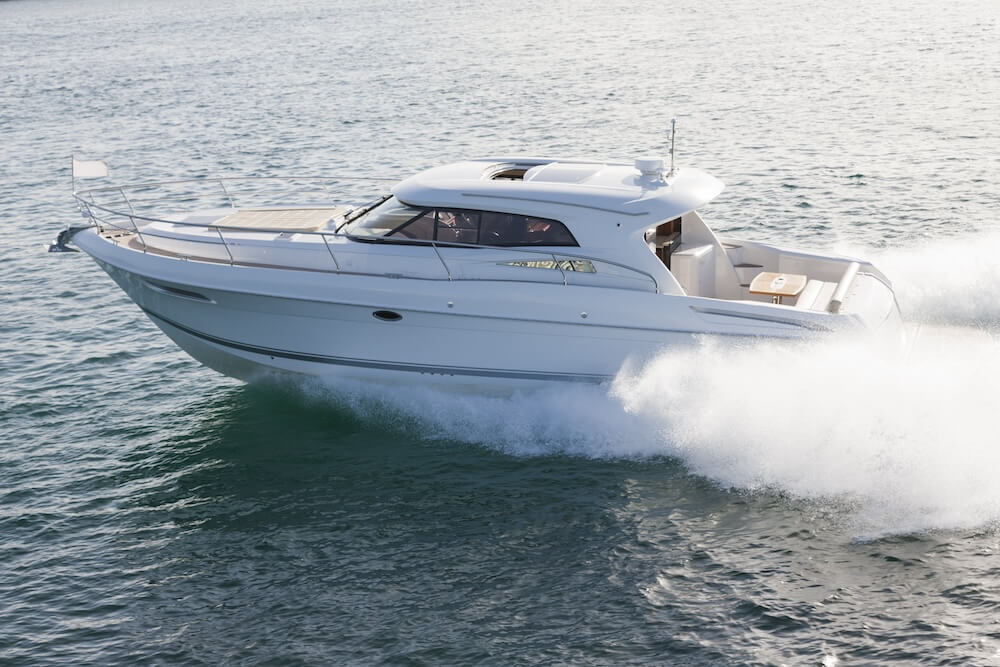
When individuals think about trusts, their minds often jump to land, buildings, and other types of real property. However, vessels such as boats or yachts can also be placed into a trust for an array of benefits. Whether your vessel is for personal recreation, business chartering, or a combination of both, holding it in a trust can streamline estate planning, simplify ownership transfers, and protect assets from liability. In this article, we will explore the multiple advantages of owning a boat or yacht in a trust, focusing on why this strategy might be an excellent addition to your broader estate planning framework.
Understanding the Basics of Trust Ownership
A trust is a legal arrangement that allows one party (the trustee) to hold and manage property on behalf of another (the beneficiary). The person who creates the trust is known as the grantor or settlor. Through this framework, the legal title of a property—including a boat or yacht—can be held by the trust, while the beneficial interest belongs to the beneficiaries. This separation of legal and beneficial ownership is central to many advantages, from liability protection to smoother transitions upon the grantor’s passing.
Why Boats and Yachts Are Assets Worth Protecting
Boats and yachts are not just recreational items. They can be extremely valuable assets with significant maintenance costs and legal considerations. Given their high value and potential liabilities—such as accidents and environmental concerns—holding these vessels in a trust can provide critical protections and efficiencies. Additionally, because the ownership and operational control can be specifically outlined in the trust documents, the structure allows for flexibility in estate planning strategies and risk management.
Benefit #1: Streamlined Estate Planning
One of the most compelling reasons to place a boat or yacht into a trust is the ease it brings to estate planning. Without a trust, ownership of the vessel may pass through probate upon your death, leading to delays, legal fees, and potential disagreements among heirs. However, when you place the boat in a trust, you can clearly dictate who will inherit the beneficial interest in that property, bypassing probate altogether. This streamlines the entire process and can prevent disputes among family members or business partners.

FREE WEBINAR
5 Things to Know About
Estate Planning
When You Turn Sixty-Five
Flexible Distribution Provisions
A trust enables you to outline specific conditions under which the beneficiaries will gain access or control of the vessel. Perhaps you only want your children to have access to the boat for a limited period, or you may wish for the yacht to remain in a charter business for income generation. Trust documents allow you to customize the provisions to meet your unique needs, ensuring your vision for the vessel is carried out after you are gone.
Benefit #2: Asset Protection and Liability Management
Owning a boat or yacht comes with a myriad of legal and financial risks. If an accident occurs, you could face lawsuits that target your personal assets. Placing the vessel in a properly structured trust can provide a measure of liability protection. Because the legal title is held by the trust—not by you personally—creditors or plaintiffs may find it more challenging to pursue your personal estate. The trust structure can help shield your other assets from claims arising out of incidents involving your boat or yacht.
Insurance and Risk Management
Though a trust does not replace the need for robust insurance coverage, it can complement your existing risk management strategies. By clearly identifying the trust as the legal owner, you can more accurately separate personal liability from issues pertaining to the vessel. This separation can lead to favorable insurance arrangements and a more straightforward claims process, as insurers often prefer working with well-defined ownership structures.
Benefit #3: Privacy and Confidentiality
Another often-overlooked benefit of holding a boat or yacht in a trust is the privacy it affords. In many jurisdictions, trusts are not part of the public record, whereas probated wills are. When you own a large or valuable vessel under your individual name, details about its ownership and potentially its value might become public knowledge, exposing you or your estate to unwanted scrutiny. By transferring the vessel to a trust, you can prevent personal information from being readily accessible. This heightened confidentiality can be especially valuable for high-profile individuals or families concerned about security and privacy.
Shielding Family Dynamics from Public View
Beyond the privacy of the ownership structure itself, disputes over large assets like yachts can spill into public court records if handled improperly. By utilizing a trust, you can handle changes in beneficiaries, trustees, and management behind closed doors. This keeps sensitive family matters from becoming part of the public domain, preserving family harmony and minimizing exposure to public scrutiny.
Benefit #4: Simplified Transfer and Succession
Boats and yachts are often passed down from one generation to the next as treasured family heirlooms or as part of a broader legacy plan. However, transferring ownership can be complicated if the vessel is held in your personal name. Probate or complicated registration processes may delay the intended transition and potentially incur unnecessary fees. In contrast, a trust can seamlessly pass beneficial interest in the vessel to specified heirs or successors without the need for a formal change of ownership through probate courts.
Clear Instructions for Ongoing Management
Trust documents can spell out how the vessel is to be used, who pays for upkeep and maintenance, and how costs are divided among beneficiaries. If your heirs are not equally interested in continuing ownership or usage of the vessel, the trust can outline buyouts or division of proceeds. This clarity ensures that the boat or yacht remains an asset that brings joy and value to the family rather than fueling conflicts or becoming an administrative headache.
Benefit #5: Potential Tax Advantages
While tax implications vary by jurisdiction, there can be distinct advantages to owning a boat or yacht through a trust, particularly if the vessel is used as part of a business or as an income-generating asset. For instance, if the boat is leased out for charters, holding it in a business-oriented trust can simplify how income and expenses flow for tax reporting. Additionally, depending on the structure and the jurisdiction, you might benefit from favorable estate tax or property tax treatments.
Minimizing Estate and Inheritance Taxes
By transferring a high-value vessel into a trust, you may be able to reduce the value of your personal estate for estate tax or inheritance tax purposes. Though the intricacies depend on local laws, placing assets in certain types of irrevocable trusts can remove them from your taxable estate. For those who own yachts with significant value, this strategy can translate into substantial tax savings, freeing up more of your wealth to pass on to your chosen beneficiaries.
Establishing the Right Kind of Trust
Not all trusts are created equal. The decision of whether to use a revocable or irrevocable trust, a domestic or offshore trust, or even a specialized vessel trust depends on your specific goals. A revocable living trust grants you flexibility, allowing you to change or dissolve the trust as needed, but it may not provide the same level of asset protection as an irrevocable trust. On the other hand, an irrevocable trust can effectively shield your personal assets from liabilities arising from the yacht, though it generally cannot be altered easily once established. Working with an experienced estate planning attorney is crucial to determine which type of trust is best for your situation.
Combining a Trust with an LLC: Another Possible Strategy
While placing a boat or yacht in a trust alone can offer a host of benefits—such as bypassing probate, ensuring privacy, and minimizing taxes—many estate planners recommend going a step further by combining a trust with a Limited Liability Company (LLC). In this scenario, the boat or yacht is first transferred to the LLC, and then the LLC’s membership interests are owned by the trust. This dual-layer structure can amplify liability protection, streamline administration, and allow for greater control over how and when beneficiaries inherit or utilize the vessel.
Dual-Layer Asset Protection
One of the most appealing aspects of the trust-and-LLC combination is the additional shield it provides against lawsuits or claims. If an accident or environmental mishap occurs involving your boat or yacht, the legal target becomes the LLC rather than you personally. The LLC limits the scope of what creditors or litigants can reach, generally confining their claims to the assets of the LLC itself—namely the boat—rather than your entire personal estate. Should someone try to pierce the corporate veil, the trust ownership adds another layer of legal complexity, making it more challenging to pursue your other personal assets or properties.
Streamlined Administration and Estate Planning
Even if the trust alone can bypass probate, involving an LLC can make the process of ongoing administration, taxation, and eventual transfer of the vessel simpler. All boat-related transactions—such as maintenance contracts, slip rentals, or charter agreements—can be conducted in the LLC’s name. This approach keeps records and liabilities associated with the vessel siloed from your personal or family finances. Meanwhile, the trust holds the LLC membership interests, which means the trustee can manage or distribute those interests based on the instructions you set forth in the trust document.
Tax and Operational Flexibility
Operating your yacht under an LLC can also open up certain tax advantages. For instance, if the vessel is chartered for income, the LLC can more easily track related earnings and expenses, potentially simplifying annual tax filings. In some jurisdictions, LLCs may also enjoy favorable tax treatment or exemptions on certain state or local taxes compared to individual ownership. That said, taxes vary widely by state and country, so professional guidance is essential to ensure you structure your LLC in the most advantageous way.
Clarity in Succession Planning
When your beneficiaries inherit the boat via an LLC owned by a trust, they actually inherit membership interests in the LLC—rather than the boat itself—according to the instructions you’ve left in the trust. This distinction makes future transfers or buyouts less cumbersome. If one beneficiary wants to sell or forgo ownership, they can relinquish their LLC membership interest without requiring a complex re-titling of the vessel. This clarity can prevent future disputes and preserve family harmony, as everyone understands their rights and obligations from the outset.
Ensuring Privacy
Trusts are generally private arrangements, and in certain jurisdictions, LLCs can also offer anonymity features that shield the identity of members or managers from public view. When layered together, these two legal structures can significantly reduce the amount of personal information available in public records. High-profile families, celebrities, or even private individuals who value discretion often find the trust-and-LLC combination to be particularly effective in protecting both their physical and financial privacy.
FREE WEBINAR
5 Things to Know About
Estate Planning
When You Turn Sixty-Five
Key Considerations
While an LLC can enhance the benefits of trust ownership, it does introduce additional administrative and compliance obligations. You’ll need to establish the LLC properly in a jurisdiction that aligns with your objectives—whether that’s stronger liability protections, favorable tax treatment, or privacy considerations. You’ll also have to keep up with annual filings, registered agent requirements, and any fees associated with maintaining the LLC’s good standing. Coordinating these efforts with an estate planning attorney, a maritime lawyer, and a tax professional ensures that your trust-and-LLC structure is both legally sound and tailored to your specific needs.
Documentation and Compliance
When transferring a boat or yacht to a trust, you must execute appropriate documentation, including the trust agreement and titles that reflect the trust as the owner. Additionally, some states and countries may have specific rules and regulations for registering vessels owned by trusts. It is essential to stay compliant with maritime laws, tax laws, and any other regulatory requirements to ensure your trust is valid and enforceable.
Addressing Practical Concerns
Before you decide to place your boat or yacht in a trust, consider the practical aspects of daily operation and management. For instance, who will be responsible for maintenance, berthing fees, and insurance premiums? Will you appoint an individual trustee, a corporate trustee, or co-trustees? If multiple beneficiaries use the vessel, how will you handle scheduling and usage conflicts? These concerns should be outlined in the trust agreement to ensure day-to-day operations run smoothly.
Working with Professional Advisors
An experienced team—comprising an estate planning attorney, a maritime attorney, a tax professional, and possibly a financial advisor—can provide holistic guidance. They can help you select the most advantageous trust structure, ensure legal compliance, and address all the finer details of ownership transfer and ongoing management. Investing in professional advice at the outset can save considerable time and resources later.
Conclusion
Owning a boat or yacht through a trust offers a multitude of advantages, ranging from smoother estate planning and liability protection to tax benefits and enhanced privacy. By strategically placing your vessel in a trust, you can bypass probate, protect your personal assets, and maintain confidentiality. You also gain the flexibility to tailor instructions for how the vessel should be used, who bears the costs of upkeep, and how conflicts are resolved among beneficiaries. While the process does require careful legal work and ongoing compliance, the long-term benefits often outweigh any initial complexity.
For those serious about safeguarding a treasured vessel and ensuring it remains a cherished asset for future generations, exploring trust ownership is an essential step. Consult with qualified professionals to determine the right trust structure, confirm regulatory compliance, and craft a robust plan that aligns with your overall estate planning objectives. In doing so, you will protect your personal interests, minimize risks, and preserve the financial and sentimental value your boat or yacht holds for you and your loved ones.
Legal Disclaimer: This article is provided for informational purposes only and does not constitute legal advice. For guidance specific to your situation, please consult with a qualified attorney in your jurisdiction.
More from our blog...

2027 Social Security COLA: What the 3.6% Increase Means for Your Budget

What Estate Planning Documents Do You Actually Need?

What Happens When an Aging Parent Can No Longer Manage Their Own Money?

What Happens to My IRA When I Die? And Can I Leave It to Whoever I Want?
Recent blog posts
What Estate Planning Documents Do You Actually Need?
Table of Contents

FREE WEBINAR
5 Things to Know About
Estate Planning
When You Turn Sixty-Five